
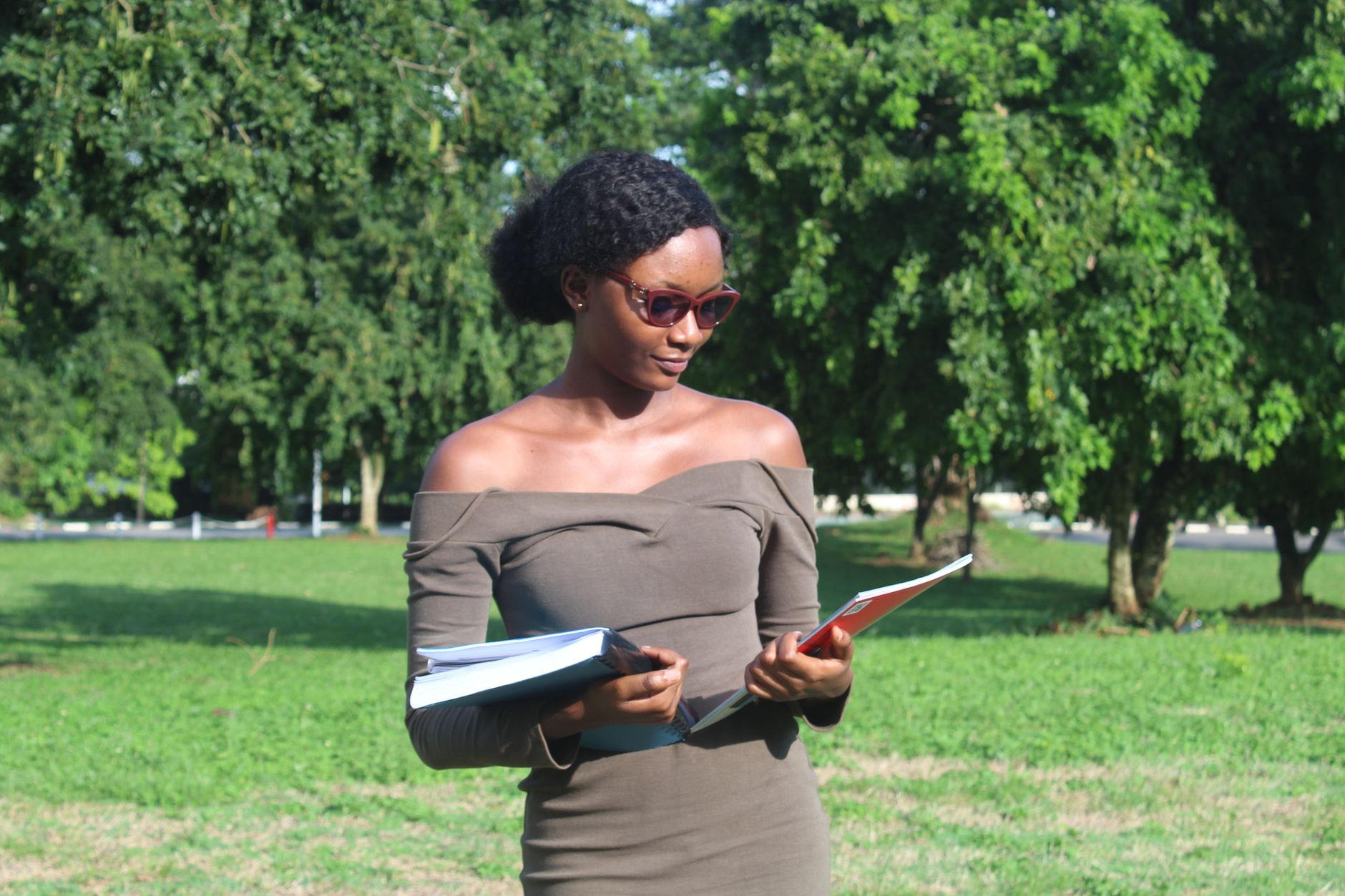
Studying abroad challenges are becoming increasingly evident as students face costlier loans and a fluctuating rupee. This situation raises concerns about the feasibility of pursuing education overseas.
Current Trends in Studying Abroad
As more students consider the prospect of studying abroad, a number of current trends are shaping their experiences and decisions. The rising costs associated with international education have become a significant challenge for many. With expenses including tuition fees, accommodation, and daily living expenses increasing, students are finding it harder to finance their education.
One of the major factors contributing to these financial burdens is the rise in interest rates on educational loans. Many students are reliant on loans to fund their studies, and as these costs climb, they face the challenge of repaying larger sums in the future. Additionally, a weaker rupee against major currencies is further exacerbating the situation, making it more expensive for Indian students to pursue education in countries like the United States, the United Kingdom, and Australia.
Furthermore, the ongoing global economic fluctuations can impact the availability of scholarships and financial aid, which many students depend on to mitigate costs. As these challenges mount, students must remain vigilant and informed about the financial implications of studying abroad.
In light of these trends, prospective international students must carefully evaluate their options and prepare for the challenges associated with studying abroad, ensuring they have a comprehensive plan to navigate these complexities.
Impact of Weaker Rupee on Education Costs
The impact of a weaker rupee on education costs has become a significant concern for students considering their options for studying abroad. As the currency depreciates, the financial burden associated with tuition fees and living expenses in foreign countries escalates, posing serious challenges for many aspiring international students.
In recent times, the exchange rate fluctuations have led to a steep increase in the overall cost of education. Students now face higher tuition fees, which can vary drastically based on the country and institution they choose. This has resulted in a heavy reliance on loans, further complicating their financial situation.
Many students are grappling with the following challenges:
- Increased Tuition Fees: Institutions in countries like the United States, Canada, and the UK have become significantly more expensive for international students.
- Higher Living Expenses: Accommodation, food, and transport costs have also surged, adding to the financial strain.
- Loan Accessibility: With costlier loans becoming the norm, students are finding it difficult to secure funding to support their education abroad.
Ultimately, the combination of a weaker rupee and rising costs makes studying abroad a daunting prospect, creating challenges that many students must navigate carefully.
Understanding Costlier Loans for Students
As students increasingly consider studying abroad, one of the significant challenges they face is the issue of costlier loans. With rising interest rates and economic fluctuations, obtaining financial support for international education has become more complicated. This financial burden can deter many students from pursuing their dreams.
Many financial institutions are adjusting their loan offerings to account for the changing economic landscape. Students may find themselves facing:
- Higher interest rates: As banks align their lending rates with market conditions, students may have to pay more in interest over the life of their loans.
- Stricter eligibility criteria: Lenders are becoming more cautious, leading to more stringent requirements for loan approval, which could leave some potential candidates without the necessary funds.
- Increased repayment burdens: With larger loan amounts and higher interest rates, the long-term financial implications can be daunting for graduates trying to establish their careers.
These factors contribute to the overall studying abroad challenges that students must navigate. Understanding these financial dynamics is crucial for prospective international students, as it allows them to plan more effectively and seek alternatives when financing their education abroad.
Alternatives to Traditional Study Abroad Programs
As the landscape of higher education continues to evolve, students are increasingly considering alternatives to traditional study abroad programs. These alternatives can help mitigate some of the studying abroad challenges faced by students today.
One viable option is virtual exchange programs, which allow students to collaborate with peers from other countries without the need for physical relocation. This method not only reduces costs but also provides valuable international exposure.
Another alternative is local universities with international partnerships. Many institutions have established partnerships with universities abroad, offering students the opportunity to participate in exchange programs or joint degrees while remaining closer to home. This can alleviate some financial burdens associated with travel and accommodation.
Additionally, short-term study tours can be an attractive option. These programs often last a few weeks and provide intensive cultural and academic experiences, allowing students to gain international insights without a long-term commitment.
Lastly, community-based learning programs that incorporate international projects can also serve as a practical alternative. By engaging in service-learning opportunities abroad, students can develop global competencies while addressing real-world issues.
These alternatives can help students navigate the studying abroad challenges while still gaining valuable experiences in a globalized world.
Financial Planning for International Education
One of the significant challenges students face when considering studying abroad is financial planning. As tuition fees rise and living expenses increase, many prospective students find themselves overwhelmed by the costs associated with international education. Careful budgeting and a clear financial strategy are vital for navigating these obstacles.
To begin with, students should create a detailed budget that includes:
- Tuition fees: Research the costs of various institutions and programs.
- Accommodation: Consider options ranging from on-campus housing to shared apartments.
- Daily expenses: Factor in food, transportation, and leisure activities.
- Health insurance: Ensure adequate coverage while studying abroad.
Additionally, students should explore various funding options, including:
- Scholarships: Many universities offer scholarships specifically for international students.
- Grants: Look for grants provided by governments or private organizations.
- Part-time work: Investigate opportunities for student jobs that can help offset living costs.
Ultimately, addressing these financial planning challenges is crucial for anyone considering studying abroad. Without adequate preparation, the experience can become a source of stress rather than the enriching journey it should be.
Government Policies Affecting Overseas Studies
The landscape of studying abroad has been significantly impacted by various government policies that can create numerous challenges for students. As countries around the world adjust their immigration laws and education regulations, students must navigate an increasingly complex system to pursue their academic goals.
One of the primary challenges stems from visa regulations. Many countries have tightened their visa processes, making it more difficult for international students to obtain the necessary documentation to study abroad. This can lead to delays in enrollment and added stress for prospective students.
Additionally, changes in funding and scholarship opportunities can pose obstacles. Some governments have reduced the availability of financial aid for foreign students, which can make studying abroad prohibitively expensive. This is particularly relevant in the context of the current trends in studying abroad, where financial constraints are becoming a major concern.
Moreover, policies that affect student work permits can restrict opportunities for students to support themselves while studying. Such limitations can lead to financial strain and impact students’ overall experience abroad.
In summary, government policies play a crucial role in influencing the challenges of studying abroad. As these regulations evolve, students must stay informed and adapt their plans accordingly to navigate the hurdles they may face.
Student Experiences and Testimonials
Many students face unexpected hurdles when embarking on their journey to study abroad. Personal experiences shared by these students highlight the challenges of studying abroad, which can often be more daunting than anticipated.
One student, Maria, who went to Canada for her master’s degree, recounted her struggle with homesickness. She said, “The initial excitement was overshadowed by a profound sense of loneliness. It took time to adapt and find a community.” Similarly, Raj, studying in Australia, noted the academic pressure, stating, “The coursework was much tougher than I imagined, and balancing studies with part-time work became overwhelming.”
Financial constraints are another significant challenge. Emily, who studied in the UK, shared her experience with rising living costs. “I had budgeted for my expenses, but the cost of living was much higher than I expected. I had to find ways to cut back, which sometimes impacted my social life.”
Others have discussed cultural adjustments. Liam expressed his difficulties in navigating local customs and social norms, saying, “I felt like an outsider for the first few months, which was stressful and disheartening.”
These testimonials reveal that while studying abroad can provide invaluable experiences, students must be prepared for the various challenges that may arise during their time overseas.
Future of Studying Abroad in a Changing Economy
The landscape of studying abroad is evolving rapidly, influenced by economic shifts and changing global dynamics. As the world adapts to new financial realities, students are increasingly confronted with studying abroad challenges that can impact their educational aspirations.
In a changing economy, the cost of international education continues to rise, making it crucial for prospective students to be well-informed about their options. Economic uncertainty has led to fluctuations in currency values, which can further exacerbate the financial burden of studying overseas. Students must navigate these complexities while considering the long-term value of their education.
Moreover, as institutions worldwide adjust to new economic conditions, there is a growing emphasis on innovative study abroad programs. These programs often incorporate flexible funding models and partnerships with local universities, allowing students to pursue their education in a more sustainable manner.
To thrive in this evolving environment, students are encouraged to enhance their financial literacy and explore diverse funding opportunities. Scholarships, grants, and part-time work can play a significant role in alleviating some of the challenges associated with studying abroad.
Ultimately, as the future of studying abroad unfolds, students must remain adaptable and proactive in addressing the challenges they may face, ensuring they are well-prepared for their academic journeys.
Many students find that the studying abroad challenges extend beyond academics, as cultural differences and homesickness can take a toll. Navigating these studying abroad challenges requires resilience and a support system to thrive in a foreign environment.
Photo by A.K. Bissue on Pexels
