
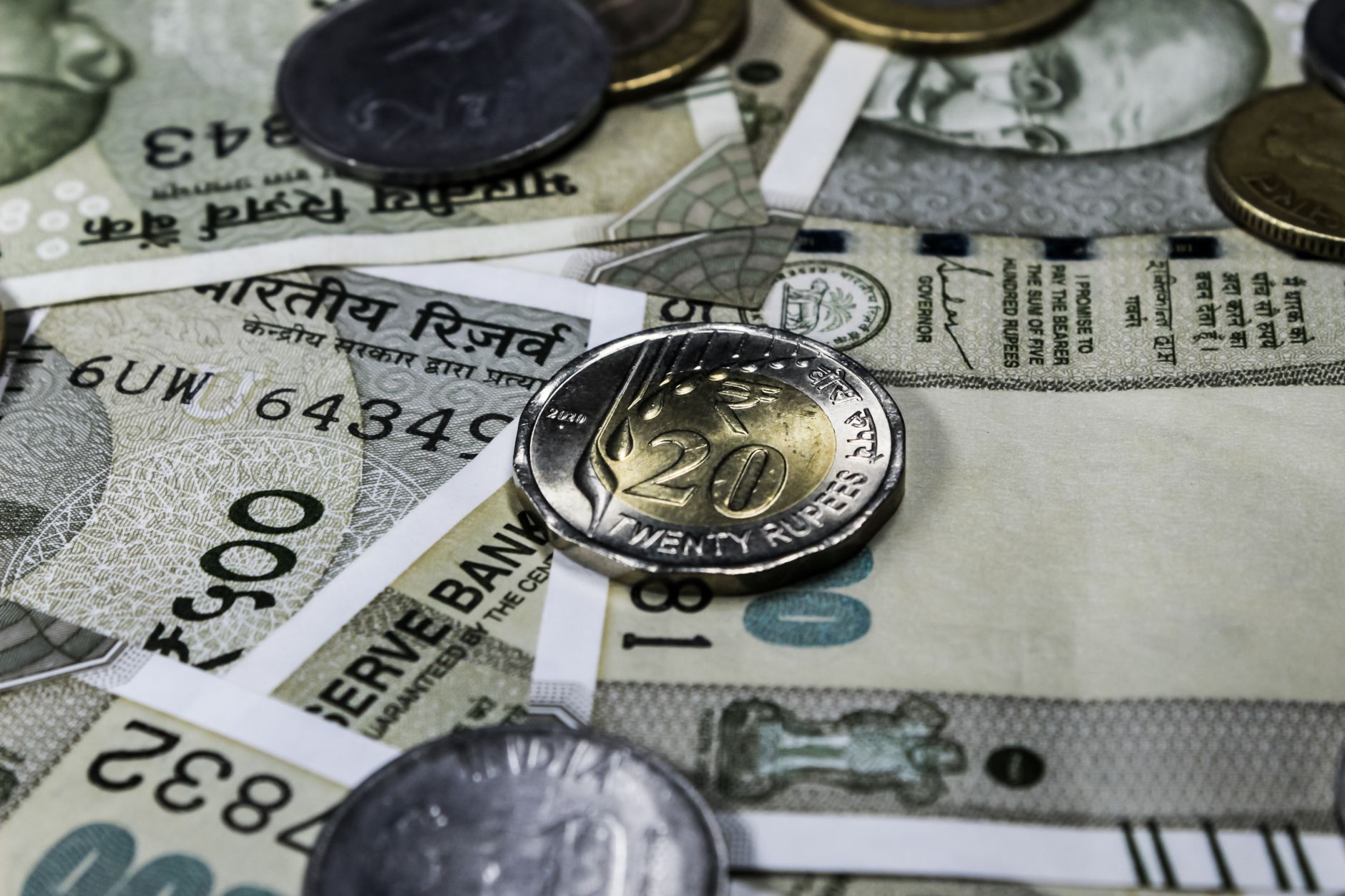
RBI forex trades are crucial in easing pressure on the rupee amidst global economic challenges. This article explores the strategies employed by the Reserve Bank of India to stabilize the currency.
Understanding the Current Rupee Situation
The Indian rupee has been under significant pressure due to various global and domestic factors. Fluctuating oil prices, geopolitical tensions, and varying interest rates have all contributed to the rupee’s instability. The Reserve Bank of India (RBI) has been actively seeking solutions to stabilize the currency and ease its depreciation.
One of the strategies employed by the RBI involves conducting forex trades. By intervening in the foreign exchange market, the RBI aims to manage the supply and demand dynamics of the rupee against other currencies. This intervention can help prevent excessive volatility and provide the necessary support to the currency.
In addition to forex trades, the RBI is also focusing on:
- Strengthening foreign reserves: Accumulating reserves to buffer against currency fluctuations.
- Monitoring capital flows: Keeping a close watch on foreign investments and remittances that impact the rupee.
- Coordinating with other financial institutions: Ensuring a unified approach to currency management.
Through these measures, the RBI hopes to bolster confidence in the rupee and promote economic stability in the long run.
How RBI Implements Forex Trades
The Reserve Bank of India (RBI) employs various strategies to manage the foreign exchange market, with forex trades being a prominent tool. These trades are designed to stabilize the Indian rupee against other currencies, particularly during times of high volatility caused by global economic factors.
When the rupee faces downward pressure, the RBI intervenes by selling foreign currency reserves to support the local currency. This action aims to increase the rupee’s value by reducing supply in the market. Additionally, the RBI may purchase rupees in exchange for foreign currencies, which helps to build reserves and further reinforce the rupee.
Moreover, the central bank monitors forex flows and conducts forex trades as part of its strategy to ensure liquidity in the market. The RBI’s interventions are guided by various indicators, including trade balances, capital flows, and overall economic conditions.
In summary, RBI forex trades play a crucial role in mitigating the pressures on the rupee, ensuring stability in the foreign exchange market, and supporting the broader economy in turbulent times.
Impact of Oil Imports on the Rupee
The impact of oil imports on the Indian rupee cannot be overstated, as fluctuations in global oil prices directly influence the country’s trade balance and currency stability. India is one of the largest importers of oil, and as such, any increase in oil prices tends to widen the trade deficit, putting additional pressure on the rupee.
In recent months, the rising cost of crude oil has exacerbated concerns among policymakers. The Reserve Bank of India (RBI) forex trades play a crucial role in managing this volatility. When oil prices surge, the demand for dollars increases, which can lead to depreciation of the rupee. This situation prompts the RBI to step in, utilizing its foreign exchange reserves to stabilize the currency.
Moreover, the central bank’s interventions are not limited to direct forex trades. They also involve monetary policy adjustments aimed at curbing inflation and ensuring economic stability. The delicate balance between managing oil import costs and maintaining a stable rupee is a significant challenge for the RBI, which must continuously adapt its strategies to navigate these external pressures.
Ultimately, effective management of oil imports and proactive RBI forex trades are essential for ensuring the long-term health of the Indian economy.
Global Factors Affecting the Rupee
The Indian rupee’s performance is significantly influenced by various global factors that can lead to volatility in the foreign exchange market. These factors create challenges for the Reserve Bank of India (RBI) as it seeks to stabilize the currency through effective forex trades.
One major global factor is the fluctuation of the US dollar value, which directly impacts the rupee’s exchange rate. A stronger dollar often leads to a weaker rupee, making imports more expensive and affecting the overall economy.
Another crucial element is the geopolitical landscape. Events such as trade tensions, conflicts, and changes in international policies can lead to uncertainty in the markets. Such instability often drives investors away from emerging markets like India, resulting in capital outflows that put additional pressure on the rupee.
Additionally, global interest rates play a pivotal role. When interest rates rise in developed economies, investments tend to flow back to those markets, causing currencies like the rupee to depreciate. As the RBI continues its forex trades, it must navigate these global dynamics to safeguard the currency’s value and maintain economic stability.
RBI’s Strategies for Currency Stability
The Reserve Bank of India (RBI) employs several strategies to maintain currency stability and mitigate the pressure on the rupee. One of the key methods involves engaging in RBI forex trades, which aim to influence the exchange rate by buying and selling foreign currencies. This practice not only helps manage liquidity in the market but also stabilizes the rupee against other major currencies.
In addition to forex trades, the RBI utilizes various tools to intervene in the currency markets, including:
- Open Market Operations: Buying or selling government securities to regulate money supply.
- Monetary Policy Adjustments: Modifying interest rates to influence foreign investment flows.
- Capital Control Measures: Implementing policies to manage capital inflows and outflows effectively.
Moreover, the RBI closely monitors global economic conditions and geopolitical developments that can impact the rupee. By maintaining a proactive approach in its forex trading activities, the central bank aims to build a buffer against external shocks and ensure a more stable economic environment for India.
The Role of Forex Reserves
The Reserve Bank of India (RBI) plays a crucial role in managing the country’s forex reserves, which are essential for maintaining the stability of the Indian Rupee. A robust reserve allows the RBI to intervene in the foreign exchange market, particularly during periods of heightened volatility. This intervention can help mitigate excessive depreciation of the Rupee, which is often pressured by various factors, including trade deficits and global economic conditions.
Forex reserves are accumulated through various means, including foreign currency deposits, gold holdings, and Special Drawing Rights (SDRs) from the International Monetary Fund (IMF). By effectively managing these reserves, the RBI can execute strategic forex trades that aim to maintain currency stability.
Moreover, the RBI’s ability to utilize its forex reserves allows it to provide liquidity in times of crisis, ensuring that the economy remains resilient. The overall health of these reserves not only supports the Rupee but also boosts investor confidence in the Indian economy.
In summary, the role of forex reserves is vital for the RBI as it navigates the complex landscape of global finance, aiming to ease pressure on the Rupee through well-timed forex trades.
Future Outlook for the Rupee
As the global economic landscape continues to evolve, the future outlook for the rupee remains a topic of significant interest, particularly in light of the RBI forex trades aimed at stabilizing the currency. Analysts suggest that the rupee may experience fluctuations in the short term, influenced by various external factors such as geopolitical tensions, trade deficits, and inflation rates.
Looking ahead, several key factors may shape the future of the rupee:
- Monetary Policy Adjustments: The Reserve Bank of India may continue to tweak interest rates and other monetary policies to counter inflation and support the rupee.
- Global Economic Conditions: A potential slowdown in major economies could impact demand for Indian exports, thereby affecting the rupee’s strength.
- Foreign Investment Trends: Increased foreign direct investment (FDI) could provide a cushion for the rupee, boosting confidence in the Indian economy.
- Commodity Prices: Volatility in oil and commodity prices will continue to play a crucial role in determining the currency’s stability.
Ultimately, the effectiveness of RBI forex trades and other measures will be critical in navigating these challenges and ensuring a stable outlook for the rupee.
Expert Opinions on RBI’s Measures
Experts have weighed in on the Reserve Bank of India’s (RBI) recent forex trades as a potential solution to the prevailing pressure on the rupee. Many analysts believe that these measures could play a crucial role in stabilizing the currency in the face of various economic challenges.
Financial analyst Rajesh Kumar stated, “The RBI forex trades are essential in managing the volatility of the rupee. By actively participating in the foreign exchange market, the RBI can mitigate excessive fluctuations.”
Another expert, Dr. Meena Verma, emphasized the importance of these trades, saying, “While the RBI’s forex interventions are beneficial, they should be complemented by structural reforms to enhance the overall economic environment.”
In addition, Shivam Rao, an economist, noted, “The effectiveness of RBI forex trades will significantly depend on global market conditions. A more stable international environment could amplify the positive impacts of these interventions.”
Ultimately, while RBI’s forex trades are viewed as a proactive approach to easing pressure on the rupee, experts agree that a multi-faceted strategy involving domestic reforms is vital for long-term currency stability.
RBI forex trades have become a focal point in discussions about stabilizing the Indian rupee. Analysts suggest that these RBI forex trades could provide the necessary liquidity to mitigate volatility in the foreign exchange market.
Photo by Ravi Roshan on Pexels
