
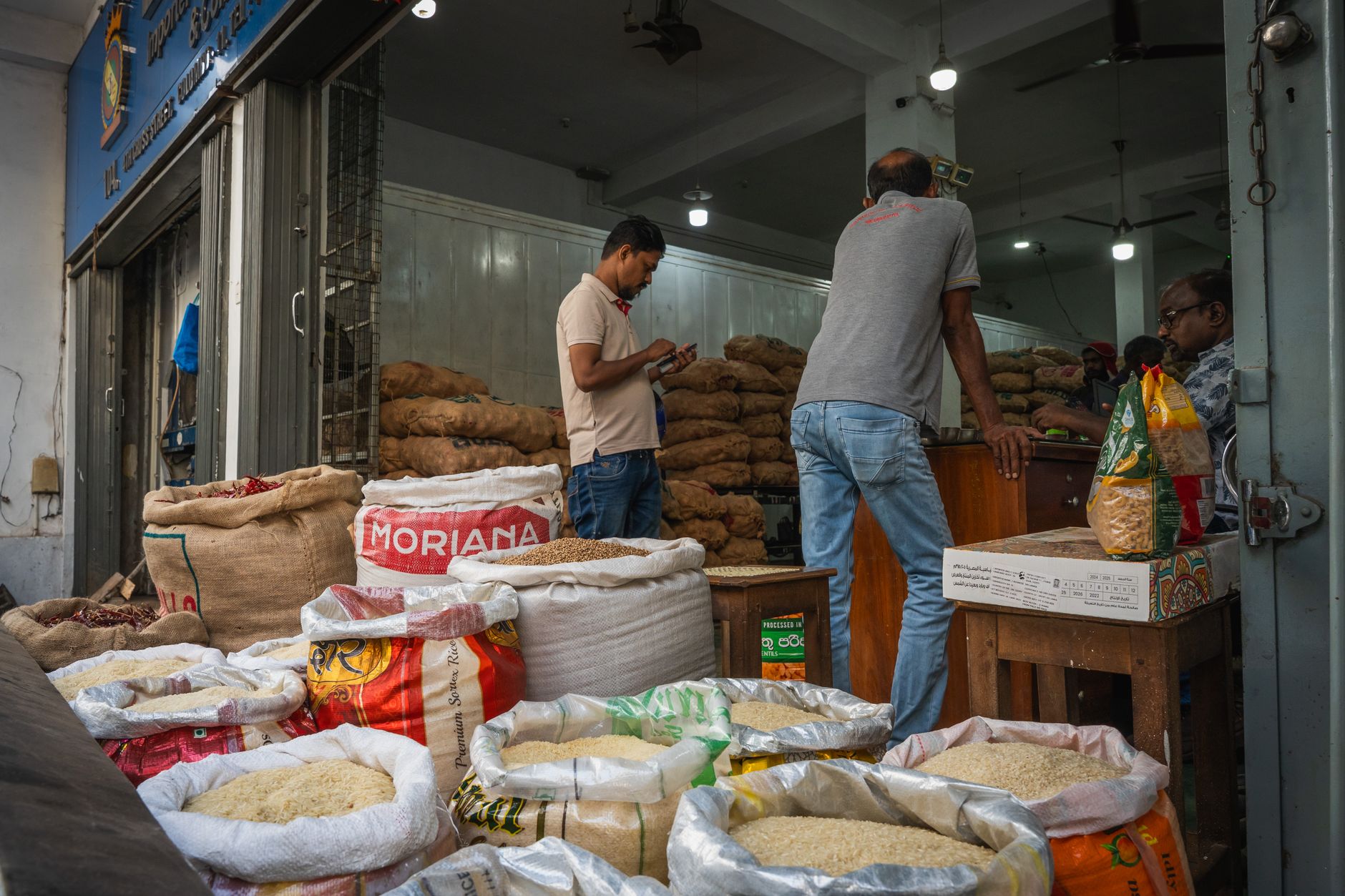
Rice exports next year could be impacted significantly as lower surplus levels are anticipated. This change poses concerns for exporters and the overall market.
Current Trends in Rice Exports
Current trends indicate that rice exports next year may face significant challenges due to a declining surplus. Analysts are closely monitoring the situation, as several factors are contributing to this downturn.
- Weather Conditions: Unfavorable weather patterns have affected crop yields in major producing countries.
- Global Demand: Increased global demand for rice has not been matched by production, leading to tighter supply.
- Market Prices: Rising market prices may deter buyers, impacting overall export volumes.
As these elements converge, experts warn that rice exports next year could be the worst hit in recent years, further complicating the global food supply chain.
Factors Affecting Rice Supply
Several factors are poised to affect rice supply in the coming year, potentially impacting rice exports next year. Key among these factors are:
- Climatic Conditions: Unpredictable weather patterns, including droughts and floods, can significantly reduce crop yields.
- Pest and Disease Outbreaks: The rise in pest infestations and plant diseases can devastate rice fields, further limiting supply.
- Government Policies: Export restrictions and tariffs imposed by major rice-producing countries can hinder trade and affect global supply.
- Market Demand: An increase in domestic consumption in producing countries can lead to lower availability for export.
As these factors unfold, stakeholders in the rice industry will need to adapt to the changing landscape to mitigate the impact on rice exports next year.
Impact of Lower Surplus on Prices
The anticipated decrease in rice surplus is expected to have significant repercussions on prices in the global market. As countries face challenges in maintaining their production levels, the supply chain may become strained. This could lead to an increase in prices, affecting both producers and consumers alike.
Experts suggest that rice exports next year will be influenced by several factors:
- Reduced Harvests: Adverse weather conditions have led to lower yields in key producing regions.
- Increased Demand: Global consumption rates for rice continue to rise, putting additional pressure on available supplies.
- Market Speculation: Traders are likely to react to anticipated shortages, further driving up prices.
Overall, the combination of these factors may result in a challenging landscape for rice exports in the coming year.
Government Policies on Exports
The government is expected to implement several policies to address the anticipated challenges in rice exports next year. With a projected decline in surplus, officials are focusing on measures to stabilize the market and support farmers.
Key policies may include:
- Increased Subsidies: Financial assistance for farmers to boost production and mitigate losses.
- Export Quotas: Limiting exports to maintain domestic supply and prevent price spikes.
- Trade Agreements: Negotiating with importing countries to secure favorable terms, ensuring steady demand.
Additionally, the government plans to enhance infrastructure for storage and transportation, aiming to improve overall efficiency. These strategies are crucial as rice exports next year could face significant challenges due to the lower surplus, impacting both producers and consumers in the market.
Future Outlook for Indian Rice Market
The outlook for Indian rice exports next year appears challenging due to a projected decrease in surplus. Analysts predict that this decline will significantly impact the country’s position in the global rice market.
Several factors contribute to this anticipated downturn:
- Weather Conditions: Unfavorable weather patterns could adversely affect crop yields.
- Domestic Demand: Increased local consumption may limit the availability of rice for export.
- Global Competition: Other rice-producing nations are ramping up their exports, posing a challenge to Indian suppliers.
Given these elements, stakeholders are advised to closely monitor the situation as rice exports next year may face unprecedented obstacles in maintaining previous levels.
Photo by Thilina Alagiyawanna on Pexels
