
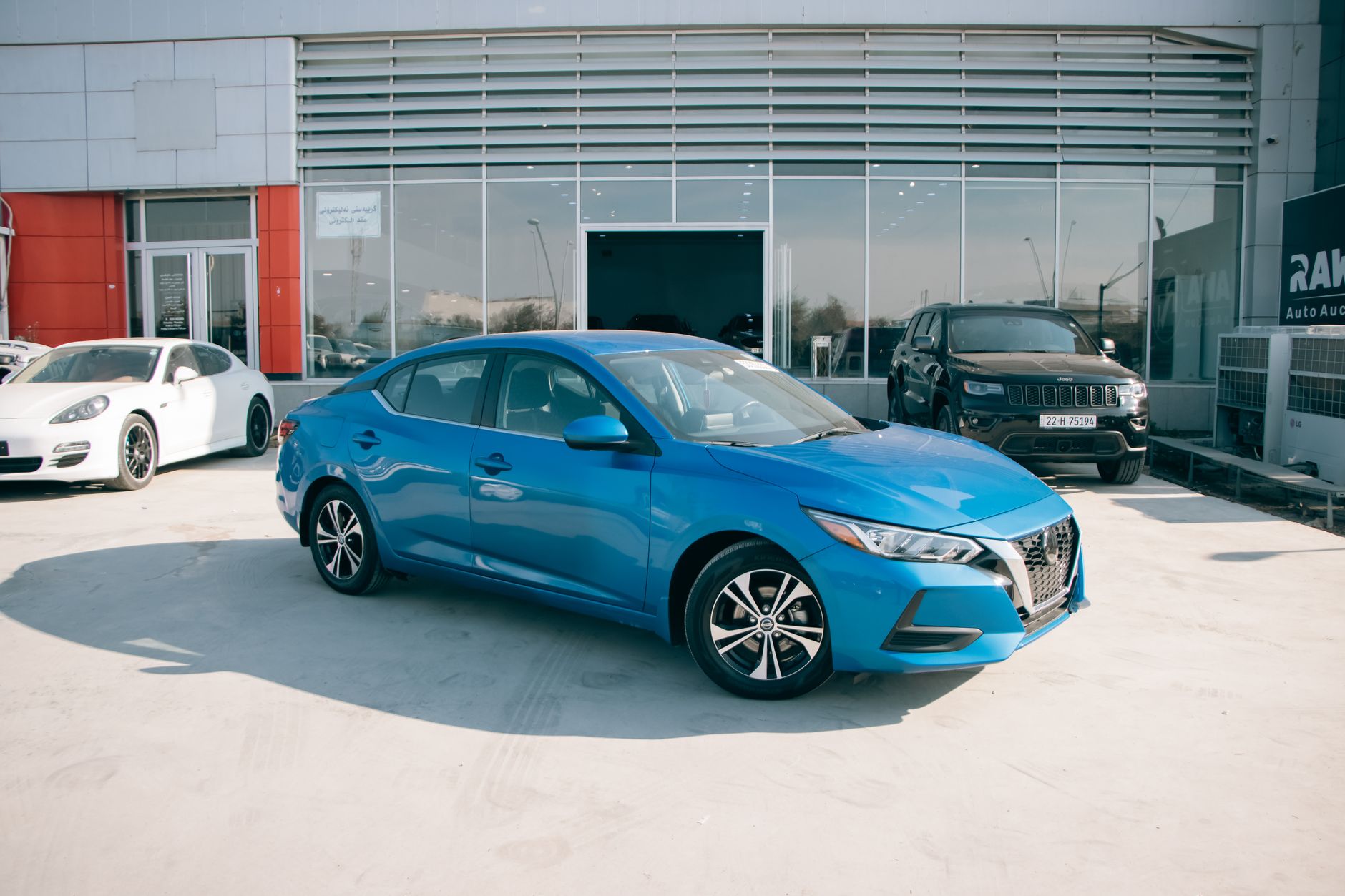
Nissan sales outlook is concerning as the company cuts its sales view amid a slump in China. This shift highlights the challenges faced by the automotive giant in a crucial market.
Nissan’s Current Financial Situation
Nissan has recently reported a challenging financial situation, primarily due to a significant decline in sales in the Chinese market. The company has announced that its sales outlook has been adversely affected, leading to a pessimistic forecast for the upcoming quarters. As Nissan navigates this downturn, it faces several hurdles that could further impact its performance.
In the latest financial report, Nissan revealed the following key points:
- Net Loss: The company recorded a net loss in the last quarter, highlighting the severity of the situation.
- Reduced Sales Forecast: Nissan has cut its sales outlook, attributing the changes primarily to the ongoing slump in China.
- Market Challenges: Increased competition and changing consumer preferences in key markets have compounded Nissan’s difficulties.
- Cost-Cutting Measures: To combat these issues, Nissan is implementing cost-cutting measures across various departments.
The impact of the China slump is being felt deeply, and analysts suggest that Nissan may need to rethink its strategy to regain consumer confidence. As the company grapples with these challenges, stakeholders are closely monitoring its sales outlook and the effectiveness of its recovery plans.
Impact of China Market on Nissan
Nissan’s sales outlook has taken a significant hit due to the ongoing slump in the Chinese market. Analysts are increasingly concerned about how this downturn will affect the company’s revenue and overall performance. The Chinese automotive market, once a pillar of growth, has shown signs of weakness, prompting Nissan to reassess its sales projections.
Several factors contribute to the challenging environment in China:
- Economic Slowdown: China’s economic growth has slowed, impacting consumer spending and demand for new vehicles.
- Increased Competition: Domestic brands have ramped up their efforts, offering consumers more choices and competitive pricing.
- Regulatory Changes: New regulations aimed at reducing emissions have forced manufacturers to adapt quickly, increasing costs and complicating supply chains.
As a result, Nissan’s leadership has expressed caution, indicating that the worst impact from the China slump is yet to come. The company has lowered its sales expectations for the upcoming fiscal year, reflecting a more conservative outlook. Market analysts believe that unless there is a significant turnaround in China’s economic situation, Nissan’s sales outlook may continue to decline. This situation not only affects Nissan’s bottom line but also raises concerns about its long-term strategy in one of the world’s largest automotive markets.
Nissan’s Sales Forecast Adjustments
Nissan has recently adjusted its sales forecast in light of the ongoing challenges in the Chinese market, which has significantly affected its overall performance. The company has reduced its projections for the coming fiscal year, acknowledging that the slump in China will have a lasting impact on its sales outlook.
Analysts now predict that Nissan’s sales could decline by as much as 15% due to the decreased demand in China, which has been one of its key markets. The revised outlook highlights the company’s struggles to regain momentum in an increasingly competitive automotive landscape, where consumer preferences are rapidly changing.
Key factors influencing Nissan’s sales forecast adjustments include:
- Weak consumer demand: The economic uncertainty in China has led to a slowdown in vehicle purchases.
- Intense competition: Other automakers are also vying for market share, making it difficult for Nissan to maintain its previous sales figures.
- Supply chain disruptions: Ongoing global supply chain issues continue to hinder production and availability of vehicles.
As Nissan navigates these challenges, its sales outlook remains cautious. The company is committed to implementing strategic changes to adapt to the evolving market conditions and hopes to stabilize its performance in the near future.
Analysis of Automotive Industry Trends
The automotive industry is currently navigating a complex landscape shaped by various economic factors. As manufacturers adjust to changing consumer preferences and market conditions, the Nissan sales outlook reflects broader trends impacting the sector. One significant trend is the increasing shift toward electric vehicles (EVs). Many consumers are prioritizing sustainability, prompting automakers to invest heavily in EV technology. This transition, however, requires substantial capital, which can strain financial resources, especially for companies like Nissan that are still recovering from previous downturns.
Another critical factor is the ongoing supply chain disruptions that have plagued the industry since the onset of the pandemic. These disruptions have led to production delays and increased costs, affecting vehicle availability. As a result, consumers may face longer wait times, which could further influence purchasing decisions.
Additionally, fluctuating raw material prices are impacting profit margins across the board. Manufacturers are compelled to adjust their pricing strategies to maintain competitiveness while ensuring profitability. In this volatile environment, Nissan’s ability to navigate these challenges will be crucial for its overall performance.
Moreover, geopolitical tensions and trade barriers are contributing to uncertainty, particularly in key markets like China. This situation underscores the need for Nissan to remain agile and responsive to emerging trends while managing its sales outlook effectively.
Challenges Facing Nissan in India
Nissan faces significant challenges in India as it navigates a complex automotive landscape. The company has struggled to gain a solid foothold in a market dominated by local manufacturers and established competitors. Despite the potential for growth, several factors hinder Nissan’s sales outlook in the region.
One major challenge is the intense competition from domestic automakers who offer a wide range of vehicles at competitive prices. This has made it increasingly difficult for Nissan to differentiate its offerings and attract new customers. Additionally, the rising costs of manufacturing and supply chain disruptions have pressured profit margins, further complicating Nissan’s position in the market.
Another factor contributing to the challenges is the fluctuating consumer preferences in India. Buyers are increasingly leaning towards electric vehicles and sustainable options, but Nissan has been slow to adapt its product lineup to meet this demand. As a result, the company risks falling behind competitors who are more agile in responding to market trends.
Furthermore, regulatory hurdles and changing government policies related to emissions and safety standards add another layer of complexity to Nissan’s operations in India. As the company reevaluates its strategy, it must address these challenges head-on to improve its sales outlook and strengthen its brand presence in this vital market.
Future Outlook for Nissan Sales
The future outlook for Nissan sales remains uncertain as the company grapples with ongoing challenges in key markets. Analysts predict that the worst impact from the slump in the Chinese market will continue to affect Nissan’s overall performance, leading to a cautious approach towards sales projections.
Key factors contributing to this outlook include:
- Market Recovery: The recovery of the Chinese automotive market is crucial for Nissan. Without a significant rebound, sales figures may remain stagnant.
- Competitive Landscape: Increased competition from domestic brands in China is squeezing Nissan’s market share, making it essential for the company to innovate and adapt.
- Global Economic Conditions: Economic uncertainties worldwide, including inflation and supply chain disruptions, are likely to impact consumer spending habits, further complicating Nissan’s sales outlook.
- Technological Advancements: As electric vehicles gain traction, Nissan must accelerate its transition to EVs to meet changing consumer preferences and government regulations.
Despite these challenges, some experts remain optimistic about Nissan’s potential for recovery. They emphasize the importance of strategic investments and a renewed focus on customer engagement to improve Nissan’s sales outlook moving forward.
In summary, while the immediate future appears challenging, Nissan’s adaptability and innovation may play a crucial role in navigating the turbulent automotive landscape.
The latest reports indicate that the Nissan sales outlook is significantly influenced by the ongoing economic challenges in China. Analysts suggest that the Nissan sales outlook could worsen if these trends continue into the next quarter.
Photo by Dextar Studio ™ on Pexels
References
Related reading
MCLR increase after RBI hike: Is it the right move? · Anthropic IPO: Best Opportunity for Retail Investors Revealed · IIFL Finance funding: Proven strategy for growth
