
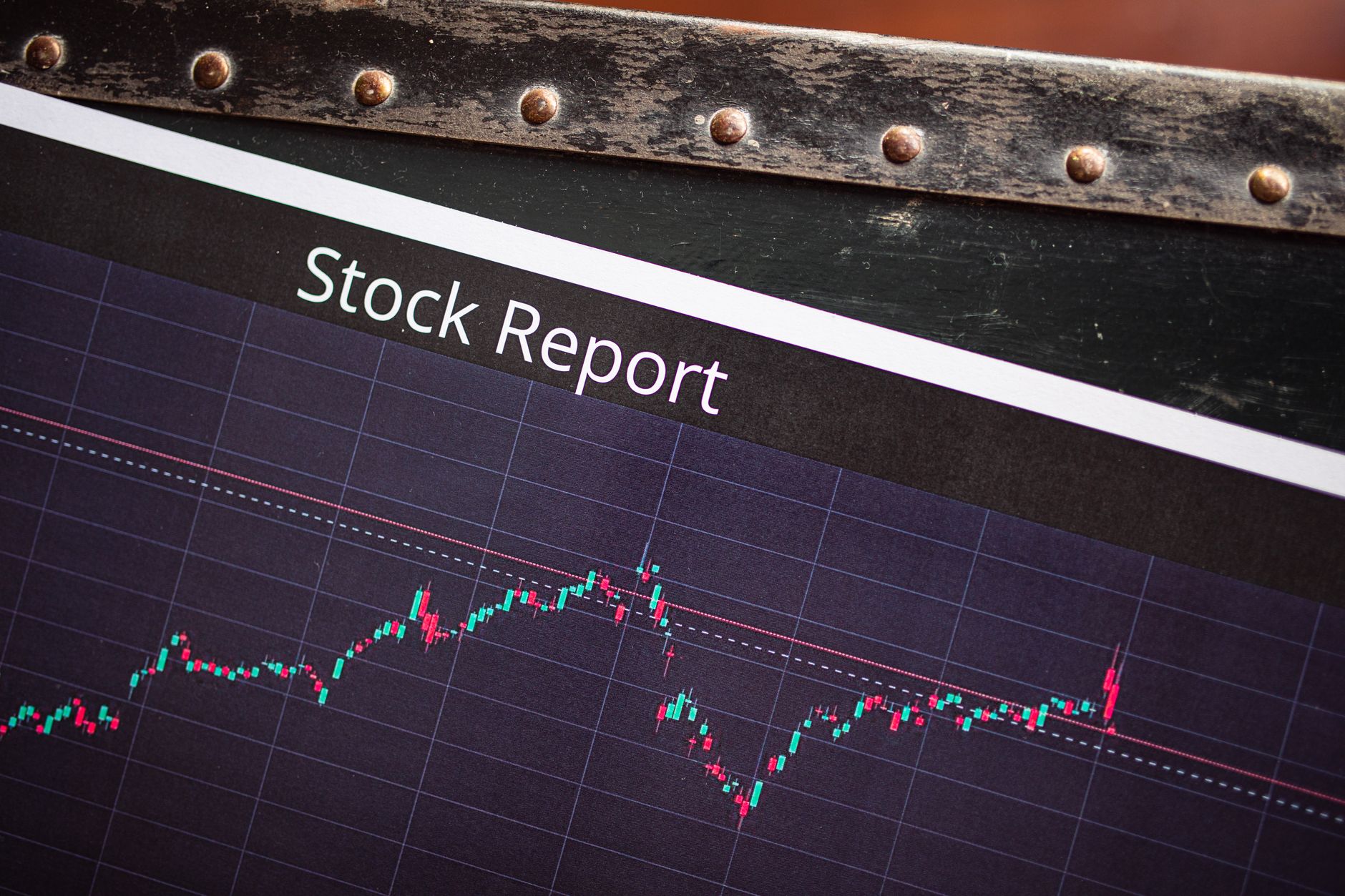
Stock market trends are currently reflecting a downward trajectory, with Nifty closing lower for the fourth consecutive day amid rising geopolitical uncertainty.
Current Stock Market Overview
In a turbulent trading session, the stock market trends have illustrated significant volatility, with investors grappling with rising geopolitical tensions. Major indices closed lower, marking the worst day for investors in recent memory. The Nifty index fell for the fourth consecutive day, reflecting widespread concerns about economic stability.
Market analysts attribute this downturn to a combination of factors, including:
- Geopolitical Tensions: Ongoing conflicts and diplomatic strains have heightened uncertainty in the markets, leading to a cautious approach among investors.
- Interest Rate Concerns: Speculations regarding future interest rate hikes have created further apprehension, impacting investment strategies.
- Earnings Reports: Mixed earnings from key sectors have failed to inspire confidence, with several companies reporting below-expectation results.
As traders react to these developments, the overall sentiment remains bearish. Experts suggest that investors may need to brace for continued fluctuations as the market adjusts to external pressures and domestic economic indicators. Monitoring stock market trends will be crucial in navigating the uncertain landscape ahead.
Impact of Geopolitical Events
The recent downturn in the stock market trends has been largely influenced by escalating geopolitical tensions. Investors are reacting to a variety of events that have sparked uncertainty across global markets. The response has been particularly pronounced in sectors sensitive to international developments.
Key factors contributing to this volatility include:
- The ongoing conflict in Eastern Europe, which has raised concerns over energy supplies and trade routes.
- Heightened tensions in Asia, affecting investor sentiment and leading to unpredictable market behavior.
- Trade policies and sanctions that have implications for global economic stability, causing ripple effects on stock valuations.
As a result, many investors are adopting a cautious approach, leading to increased selling pressure. Analysts suggest that until there is more clarity regarding these geopolitical events, the stock market is likely to experience continued fluctuations. This uncertain environment has left many investors wondering when they might see a return to stability.
In the face of these challenges, understanding stock market trends becomes crucial for making informed investment decisions, as the interplay between geopolitical events and market performance remains a significant factor in shaping future outcomes.
Investor Reactions to Market Changes
As stock market trends continue to fluctuate amid rising geopolitical tensions, investors are expressing their concerns over the recent downturn. Many are feeling the pinch as major indices, including the Nifty, have recorded a decline for the fourth consecutive day.
Investor reactions have been varied, with some opting to hold their positions in hopes of a rebound, while others are choosing to liquidate assets to minimize losses. This cautious approach reflects a broader sentiment in the market, where uncertainty is causing many to second-guess their investment strategies.
- Long-term investors are maintaining their positions, believing that the current market volatility is temporary.
- Short-term traders are reacting swiftly, taking advantage of price dips to buy or sell based on market signals.
- Analysts suggest that diversification remains crucial to weathering such unpredictable trends.
The overall mood is one of caution, as investors weigh the implications of ongoing geopolitical events against their financial goals. In this climate, understanding stock market trends will be essential for navigating the uncertain waters ahead.
Historical Context of Market Downturns
The stock market has a long history of fluctuations, often influenced by various factors that create uncertainty among investors. Understanding the historical context of market downturns can provide valuable insights into current stock market trends. Over the past century, there have been several significant downturns, each shaped by specific economic and geopolitical events.
For instance, the Great Depression in the 1930s led to a prolonged period of market instability, resulting from a combination of bank failures, loss of consumer confidence, and drastic declines in spending. Similarly, the dot-com bubble burst in the early 2000s highlighted the dangers of speculative investing and overvaluation.
More recently, the 2008 financial crisis, triggered by the housing market collapse, resulted in severe market declines worldwide. Each of these downturns taught investors valuable lessons about risk management and the importance of diversifying their portfolios.
As we face current economic challenges, including inflation and geopolitical tensions, it’s crucial for investors to reflect on these historical downturns. By doing so, they can better navigate today’s market landscape and understand the potential implications of ongoing stock market trends.
Expert Opinions on Future Trends
As investors grapple with recent downturns, experts are weighing in on stock market trends and the potential implications for the future. Many analysts believe that the current geopolitical climate is significantly influencing market behavior, leading to heightened volatility.
According to Jane Doe, a senior analyst at Global Finance Group, “The uncertainty surrounding international relations is causing a ripple effect across various sectors. We may see a continued decline if these tensions escalate.” She emphasizes the importance of monitoring developments closely, especially in regions heavily impacted by conflict.
In contrast, John Smith, an economist at Market Insights, suggests a more optimistic viewpoint. “While the stock market trends appear bearish right now, historical patterns indicate that recoveries often follow significant downturns. Investors should consider this as a buying opportunity, particularly in undervalued sectors,” he notes.
Furthermore, Emily Lee, a portfolio manager at Wealth Strategies, stresses the need for diversification. “By spreading investments across different asset classes, investors can mitigate risks associated with market fluctuations,” she advises.
As the situation evolves, staying informed and adaptable will be crucial for investors navigating the unpredictable landscape of the stock market.
Strategies for Navigating Market Volatility
As investors face one of the worst days in the stock market, navigating market volatility has become crucial. To mitigate potential losses, experts suggest implementing several strategies that can help in uncertain times.
- Diversification: Spreading investments across various asset classes can reduce risk. A balanced portfolio that includes stocks, bonds, and commodities may help weather market downturns.
- Staying Informed: Keeping abreast of stock market trends and geopolitical events is essential. Regularly reviewing financial news can provide insights that help in making informed decisions.
- Long-Term Perspective: Investors are encouraged to maintain a long-term view, as markets often recover from downturns. Patience can yield better outcomes than panic selling during volatile periods.
- Setting Stop-Loss Orders: Utilizing stop-loss orders can help limit losses by automatically selling stocks when they reach a certain price, preventing further declines.
- Consulting Financial Advisors: Seeking guidance from financial professionals can provide personalized strategies tailored to individual risk tolerance and investment goals.
By adopting these strategies, investors may not only protect their assets but also position themselves favorably for future stock market trends.
Conclusion and Outlook for Investors
As investors digest the recent turmoil in the stock market, the outlook for the coming weeks remains uncertain. The combination of geopolitical tensions and fluctuating economic indicators has left many questioning the stability of current stock market trends. With the Nifty index experiencing a decline for the fourth consecutive day, it is evident that the sentiment among investors is increasingly cautious.
In light of these developments, experts emphasize the importance of remaining informed and adaptable. They recommend that investors consider the following strategies:
- Diversification: Spreading investments across various sectors can help mitigate risks associated with market volatility.
- Focus on Fundamentals: Investors should prioritize companies with strong fundamentals and resilient business models, as these are more likely to weather downturns.
- Stay Informed: Keeping abreast of global events and economic data can provide valuable insights into potential market movements.
- Long-Term Perspective: It’s crucial to maintain a long-term perspective and avoid making impulsive decisions based on short-term fluctuations.
Ultimately, navigating the current landscape requires a balanced approach, and investors should remain vigilant as they adapt to ongoing changes in stock market trends.
Photo by RDNE Stock project on Pexels
