
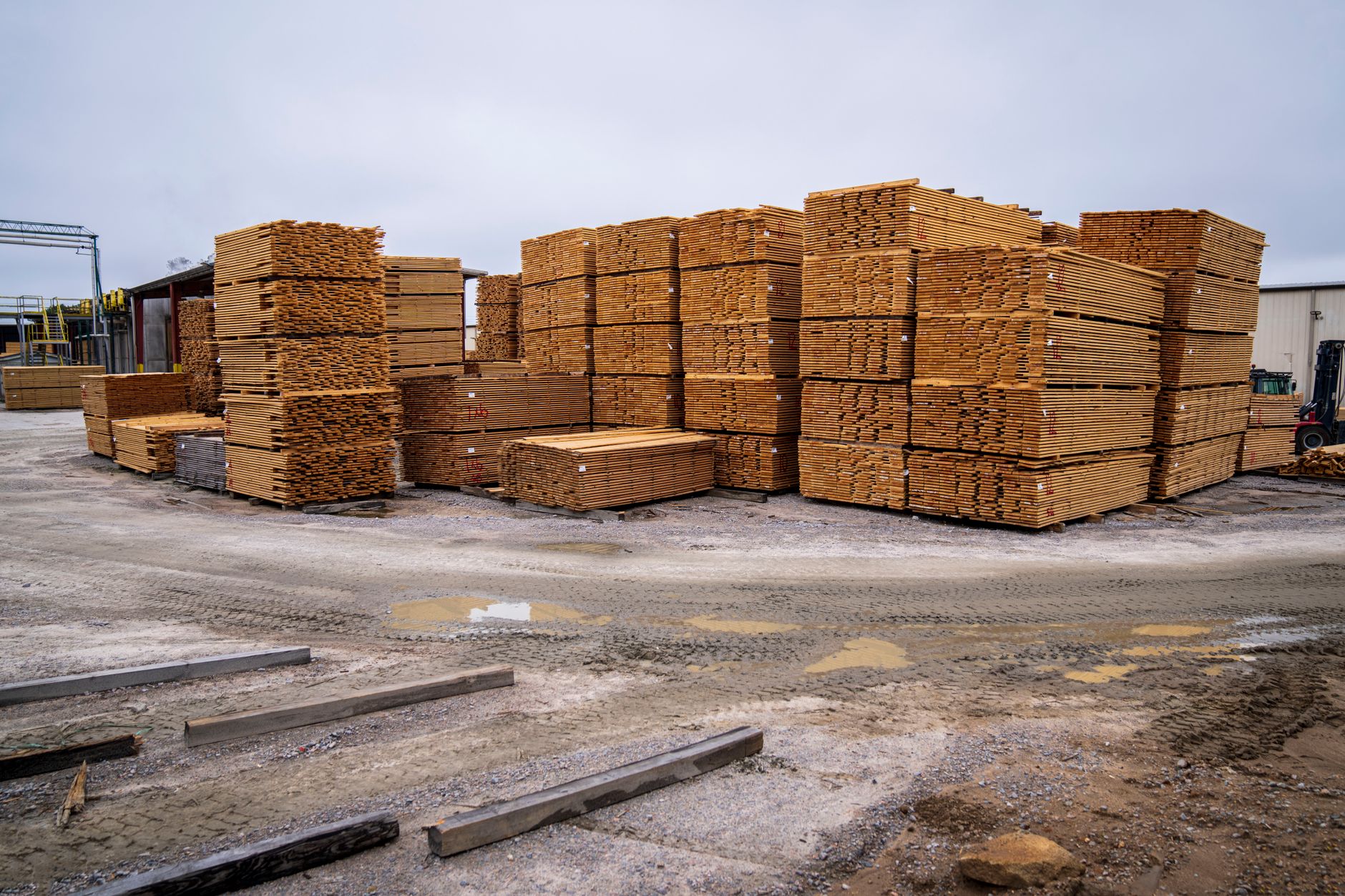
Building materials stocks have shown significant trends in Q2 earnings. This article reflects on Vulcan Materials and its performance, providing insights into the broader market.
Overview of Q2 Earnings
The second quarter of the fiscal year has brought a wave of insights for investors focused on building materials stocks. Companies in this sector have faced a variety of challenges, including fluctuating demand and rising raw material costs. However, many have demonstrated resilience and adaptability in their operations.
Vulcan Materials (NYSE:VMC) is one such company that has recently reported strong earnings, reflecting its robust position in the market. Analysts noted that the company benefited from increased infrastructure spending and a rebound in construction activity, which positively impacted its bottom line.
Key highlights from Q2 earnings reports include:
- Revenue Growth: Many firms reported year-over-year increases in revenue, signaling a recovery in the construction sector.
- Cost Management: Effective cost control measures helped offset rising expenses related to raw materials.
- Future Outlook: Companies remain optimistic about continued growth, fueled by ongoing infrastructure projects and demand for housing.
Investors are keenly watching these trends to make informed decisions regarding building materials stocks moving forward.
Vulcan Materials Performance Review
Vulcan Materials Company (NYSE: VMC) has demonstrated a resilient performance in the second quarter, showcasing its position as a leader in the building materials stocks sector. The company reported a revenue increase of 12% year-over-year, driven by robust demand in both residential and commercial construction.
Key highlights from Vulcan’s recent earnings report include:
- Increased Pricing Power: The company successfully raised prices across its product lines, contributing significantly to revenue growth.
- Infrastructure Investments: Vulcan has strategically invested in infrastructure projects, positioning itself to benefit from government spending in the sector.
- Operational Efficiency: The implementation of new technologies has improved operational efficiency, allowing Vulcan to maintain margins despite rising raw material costs.
Analysts remain optimistic about Vulcan’s future prospects, citing its strong market position and ongoing investments in sustainable practices. As a key player in the building materials stocks arena, Vulcan is well-equipped to navigate the evolving market landscape.
Market Trends in Building Materials
The building materials stocks market is experiencing notable trends as we move through the second quarter of the year. With a growing demand for sustainable construction practices, investors are turning their attention to companies that prioritize eco-friendly materials. This shift is reshaping the landscape, leading to increased competition among leading firms.
Additionally, supply chain improvements are allowing manufacturers to meet rising demands more efficiently. As a result, many building materials stocks are seeing positive momentum, reflecting stronger earnings projections for the upcoming quarters.
Key trends influencing this market include:
- Increased Infrastructure Spending: Government initiatives aimed at boosting infrastructure are driving demand for essential building materials.
- Sustainability Focus: Companies that adopt sustainable practices are gaining favor among investors, enhancing their stock attractiveness.
- Technological Innovations: Advancements in production processes are reducing costs and improving product quality, contributing to robust earnings in the sector.
As these trends evolve, investors should remain vigilant about the performance of building materials stocks in order to capitalize on potential opportunities.
Comparative Analysis of Competitors
In the competitive landscape of building materials stocks, several key players have emerged, each showcasing distinct strategies and performance metrics. A comparative analysis reveals that while Vulcan Materials leads in market share and revenue growth, other companies are not far behind.
Some notable competitors include:
- Martin Marietta Materials (NYSE: MLM) – Demonstrating strong pricing power and operational efficiency, Martin Marietta has managed to increase its earnings, keeping pace with industry demands.
- Summit Materials (NYSE: SUM) – This company has focused on strategic acquisitions, positioning itself to capture additional market segments, particularly in the Midwest region.
- CRH plc (NYSE: CRH) – As a global player, CRH has benefited from diverse geographic exposure, mitigating risks associated with regional downturns.
Overall, while Vulcan Materials stands out, the evolving strategies of these competitors in the building materials sector highlight the dynamic nature of the market, influencing investor sentiment and stock performance in Q2.
Investor Sentiment and Predictions
Investor sentiment surrounding building materials stocks remains cautiously optimistic as analysts project a steady recovery in the construction sector. Despite ongoing challenges such as rising interest rates and supply chain disruptions, many investors believe that the fundamentals for these stocks are improving.
Recent surveys indicate that a significant portion of investors is focusing on the potential for growth in infrastructure projects, particularly with federal funding aimed at revitalizing public works. This initiative is expected to create demand for building materials, which could positively impact stock prices in the upcoming quarters.
Analysts are also keeping a close eye on several key factors:
- Interest rates: As rates stabilize, borrowing costs for construction projects may decrease.
- Commodity prices: Fluctuations in prices for raw materials can affect profitability.
- Regulatory changes: New policies supporting sustainable building practices could benefit companies focused on eco-friendly materials.
Overall, the outlook for building materials stocks is dependent on how these factors play out in the coming months.
Key Takeaways from Q2 Reports
The latest Q2 reports for building materials stocks have revealed several key takeaways that investors should consider. Firstly, companies in this sector have shown resilience despite ongoing economic challenges. Many firms reported stronger-than-expected earnings, driven by robust demand for construction projects.
Additionally, supply chain improvements have led to reduced costs, which positively impacted profit margins. This trend is particularly apparent in the performance of Vulcan Materials, which has maintained a strong market position.
Analysts noted that rising infrastructure spending is likely to continue benefiting building materials stocks in the upcoming quarters. This is supported by government initiatives aimed at enhancing public infrastructure and housing developments.
Furthermore, investor sentiment remains cautiously optimistic, with many experts recommending a focus on companies that demonstrate effective management of resources and strategic growth initiatives. As the market evolves, staying informed about the dynamics affecting building materials stocks will be crucial for making informed investment decisions.
In summary, the Q2 earnings reports highlight the potential for continued growth in the building materials sector, making it an area to watch for investors.
Future Outlook for Building Stocks
The future outlook for building materials stocks remains cautiously optimistic as the industry navigates various economic challenges. Analysts suggest that a combination of infrastructure spending and residential construction demand will play a crucial role in shaping the market in the coming months.
Several factors are influencing this outlook:
- Government Infrastructure Initiatives: Increased federal and state funding for infrastructure projects is expected to boost demand for building materials.
- Interest Rates: While rising interest rates might dampen residential construction, sustained investments in commercial projects could offset these effects.
- Supply Chain Stability: Improvements in supply chain logistics may lead to more consistent availability of materials, positively impacting production costs.
- Sustainable Materials Trend: The growing demand for eco-friendly building materials may provide new opportunities for growth within the sector.
Investors should keep a close eye on these developments as they assess the potential for building materials stocks to outperform expectations in the second half of the year.
Expert Opinions on Investment Strategies
As the building materials stocks sector continues to evolve, experts emphasize the importance of strategic investments. According to financial analyst Jane Doe, “Investors should focus on companies with strong fundamentals and robust earnings growth.” She highlights that firms like Vulcan Materials have shown resilience, suggesting a potential for upward momentum in the coming quarters.
Investment strategist John Smith adds that diversifying within the building materials stocks can mitigate risks. “Consider looking at companies that provide a variety of materials, from aggregates to asphalt,” he recommends. This diversification can help investors capitalize on different market segments and counteract volatility.
Furthermore, market analyst Emily Johnson notes the significance of environmental sustainability in decision-making. “Investing in companies that prioritize eco-friendly practices can not only enhance brand loyalty but also attract a growing segment of environmentally conscious consumers,” she states.
In summary, the collective insights of these experts suggest that a well-researched approach, focusing on both traditional performance metrics and emerging trends, is crucial for success in the building materials stocks market.
Photo by Mark Stebnicki on Pexels
