
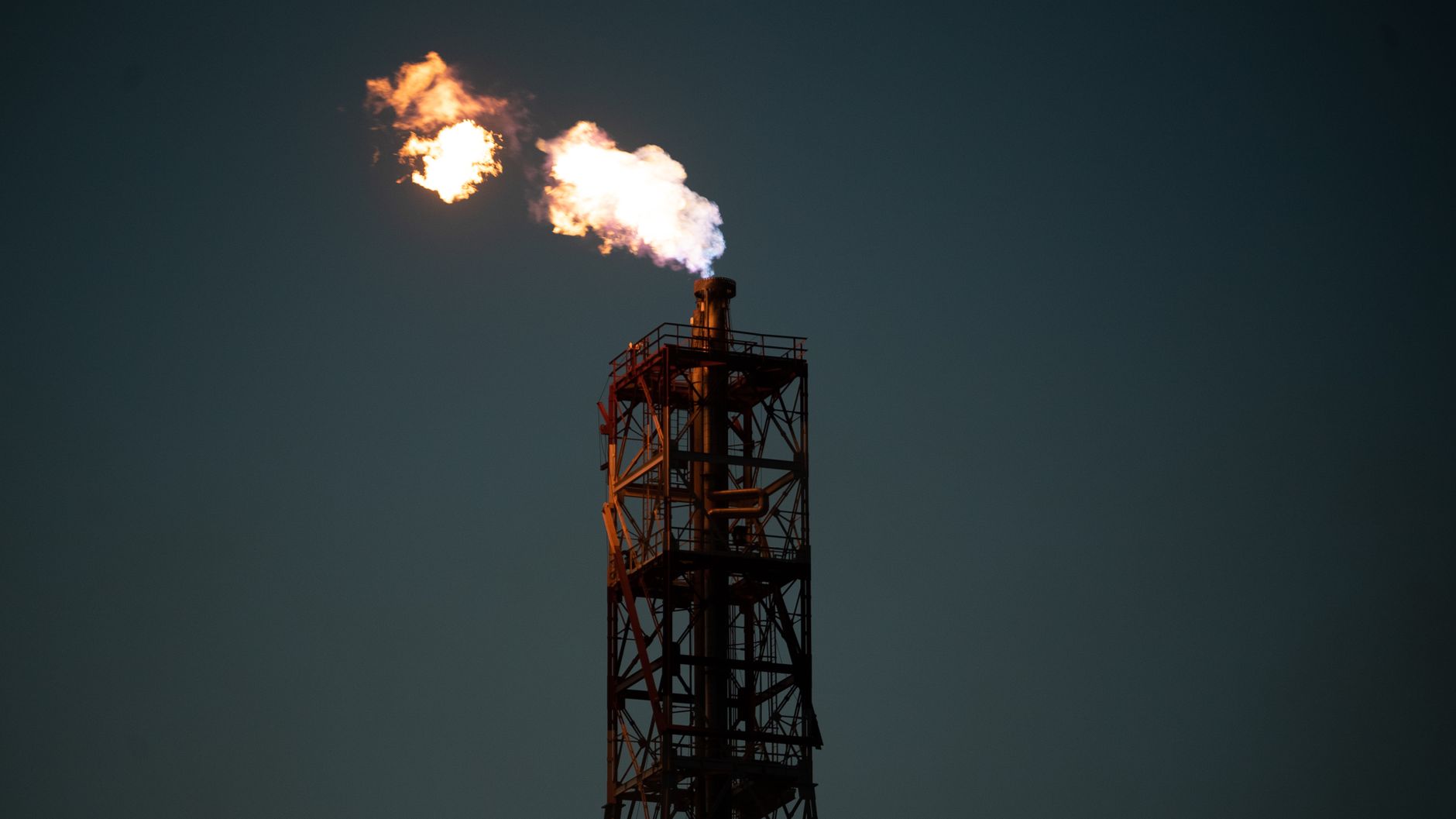
OPEC oil production remains unchanged this October, reflecting a strategic decision by member countries to maintain stability in the market.
OPEC’s decision on oil production
In a significant announcement, OPEC+ countries have decided to maintain their oil production targets for October, signaling a commitment to the current production levels. This decision comes amidst fluctuating global oil prices and varying demand forecasts. The oil production strategy aims to balance market stability while addressing ongoing geopolitical tensions that could impact supply.
The unchanged oil production levels reflect OPEC’s broader strategy to manage output in a way that supports both member countries and the global economy. Key factors influencing this decision include:
- Market Stability: By keeping production levels steady, OPEC seeks to prevent sharp fluctuations in oil prices that can destabilize economies.
- Geopolitical Challenges: Ongoing conflicts and political uncertainties in oil-rich regions have raised concerns about supply disruptions, prompting OPEC to adopt a cautious approach.
- Global Demand: Mixed signals regarding global economic recovery have led OPEC to carefully evaluate demand forecasts before making any production adjustments.
The decision to keep oil production unchanged underscores OPEC’s cautious stance as it navigates through a complex landscape of economic recovery and supply chain challenges. As oil markets continue to evolve, OPEC’s strategies will remain critical in shaping the future of oil production worldwide.
Impact on global oil prices
The recent decision by OPEC+ to maintain its oil production levels has significant implications for global oil prices. By keeping production unchanged, OPEC oil production is expected to stabilize the market amid ongoing fluctuations driven by geopolitical tensions and varying demand levels.
Analysts believe that this move could lead to several outcomes:
- Price Stability: With no increase in supply, oil prices may stabilize, reducing volatility that has characterized the market in recent months.
- Market Confidence: OPEC’s commitment to its production targets can reassure investors, fostering a sense of confidence in the oil market and potentially attracting more investments.
- Impact on Non-OPEC Producers: By maintaining current production levels, OPEC may place pressure on non-OPEC oil producers, who might struggle to compete in a market where prices remain elevated.
- Global Economic Implications: Stable oil prices can have broader economic repercussions, affecting everything from inflation rates to the costs of goods and services globally.
In summary, OPEC’s decision to keep oil production steady signals a strategic approach to manage both supply and demand dynamics in the market, which could ultimately influence global oil prices in the coming months.
Analysis of OPEC’s strategy
OPEC’s strategy to maintain oil production levels has sparked significant discussion among industry experts and analysts. By opting to keep production targets unchanged, OPEC aims to stabilize the market amid fluctuating global demand and geopolitical tensions. This decision reflects a calculated approach to ensure that supply meets demand without triggering price volatility.
One of the primary factors influencing OPEC’s strategy is the ongoing recovery of the global economy post-pandemic. As countries continue to navigate challenges, including inflation and energy transitions, OPEC is keenly aware of the need for a balanced approach. The organization’s commitment to avoiding oversupply is evident in its current production strategy.
Moreover, OPEC’s decision can be viewed as a response to the mixed signals from other major oil producers. While some countries have ramped up production, OPEC’s cautious stance highlights its willingness to prioritize long-term stability over short-term gains. This is particularly important as the market grapples with potential disruptions from geopolitical events.
As analysts delve deeper into the implications of OPEC’s oil production decisions, it is clear that the organization’s influence remains strong. The choice to keep production steady will likely continue to shape global oil prices and the dynamics of the oil market in the coming months.
Reactions from the energy sector
Reactions from the energy sector have been varied following OPEC’s decision to keep oil production unchanged for October. Industry experts and analysts are weighing in on the implications of this steadfast approach amidst fluctuating global demand.
Many energy analysts believe that OPEC’s oil production strategy reflects a cautious optimism about the market. John Smith, a leading energy consultant, stated, “By maintaining their production levels, OPEC signals stability in a time when uncertainty looms large in the global economy.”
Conversely, some stakeholders express concern that this decision may not adequately respond to the rising demand as economies recover from the pandemic. Linda Johnson, a financial analyst at Global Energy Watch, commented, “With prices stabilizing, OPEC should consider adjusting production to better align with the increasing consumption trends.”
Additionally, the decision has stirred discussions around the potential for future cooperation among OPEC+ members. Many are keenly observing how this will play out in upcoming meetings, particularly with the looming specter of geopolitical tensions that could impact oil flow.
- Stability vs. Growth: A clear divide among analysts.
- Future Cooperation: Potential changes in dynamics.
- Geopolitical Concerns: Influence on production strategies.
Future outlook for oil production
The future outlook for oil production remains uncertain as OPEC oil production continues to be a pivotal factor in the global energy market. Analysts are closely monitoring the decisions made by OPEC+ countries, especially in light of their recent choice to maintain the existing oil production target for October. This decision reflects a commitment to stabilize the market amidst fluctuating demand and geopolitical tensions.
Going forward, several key factors will influence OPEC’s production strategy:
- Global Demand: The ongoing recovery from the pandemic and shifts towards renewable energy sources may affect oil consumption rates.
- Geopolitical Factors: Tensions in oil-producing regions can lead to supply disruptions, impacting OPEC’s strategic decisions.
- Technological Advances: Innovations in extraction and production techniques may alter the competitive landscape for OPEC members.
- Environmental Regulations: Increasing pressure for sustainability might push OPEC to reconsider its long-term production plans.
As these elements evolve, OPEC’s ability to navigate the complexities of the global market will be crucial. The organization’s decisions will significantly affect oil prices and energy security worldwide, making it essential for stakeholders to stay informed about any changes in OPEC oil production strategies.
Market analysts believe that the decision to keep OPEC oil production unchanged will have significant implications for global oil prices. As countries navigate their energy needs, OPEC oil production remains a pivotal factor in maintaining market stability.
Photo by Ulises Castillo on Pexels
